ADHD Coaching — Santa Monica & Worldwide
You, Ready &
Realized.
Management and Success Coaching for the Neurodiversity in All of Us
“In the middle of difficulty lies opportunity.”
Barbara Lipscomb Coaching is for adults with ADD / ADHD as well as creative / divergent thinkers and learners, who face a unique set of challenges. Coaching for those with attention deficit disorder and adult ADD is a highly effective means of helping non-traditional thinkers fully realize their potential and excel in all aspects of life, including setting smart goals through structured goal planning.
ADHD Coaching
Located in the Santa Monica / West LA area, I provide Adult AD/HD Life Coaching services both locally and long distance, meeting with clients through face-to-face sessions, telephone calls, and video programs. I offer services to adults in all seasons of life, from young adulthood to retirement age, and at varied points of achievement in their lives. I help people face, understand and manage life’s challenges and situations.
Learn MoreAttention Deficit Hyperactivity Disorder (ADHD) Symptoms
The following checklist may help you determine whether my services will benefit you.
INATTENTION: in adults, it may be easier to notice at work or in social situations.
HYPERACTIVITY: can show up as feelings of restlessness in teens and adults.
IMPULSIVITY: can lead to risky behavior, accidents.
Learn Morea few key features
Attention Deficit Hyperactivity Disorder (ADHD) Coaching Experience
I am first and foremost an educator who has been providing help for ADHD and coaching individuals with different learning styles since 1980, when I began my career in special education.
I work from a deeply felt and researched model. This guides me to understand that all learning takes place within the context of meaningful and rewarding relationships.
Attention Deficit Hyperactivity Disorder (ADHD) Coaching Is Unique
When my clients understand that I am not judging them, they are able to relax and feel safe enough to expose what many in their world have labeled as negative behaviors.
I help them understand that what they have been doing has been their own creative way of trying to meet their essential needs, and that it is worth developing rather than repressing.
Professional Bio
My own childhood was greatly impacted by a child with special needs when my older brother became profoundly deaf at the age of 17 months.
Only 15 months younger than my brother, I developed an acute sensitivity to his needs and, in my love for him, began to develop myself as a responsive and attuned caregiver. This has never changed.
what adhd feels like –according to buzzfeed
Watch the video:
Interested in working together?
What ties all of my work together is my belief that there are many valid, interesting and useful ways of being in the world.
I am convinced that we all have something of unique value to offer. I have been afforded many and varied opportunities in numerous fields. My work is informed by having worked with and learned from many who are experts in their fields.
Founder, Barbara Lipscomb Coaching
Get Started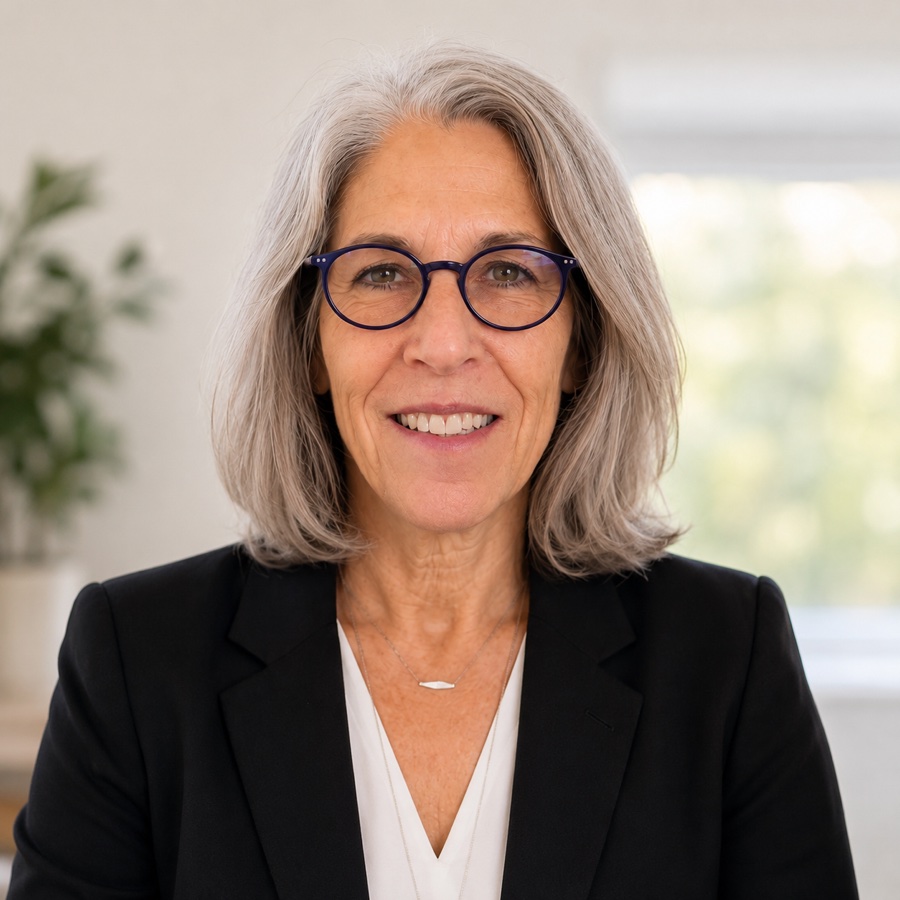
Resilience is in you. Let’s find it.
Questions & Answers
Who do you work with?
I work with adults — largely professionals and creative people. Lawyers, physicians, therapists and social workers, writers and artists of every kind, and entrepreneurs. What connects them are minds that work creatively and differently from the systems built around them.
Is ADHD coaching the same as therapy?
No. Therapy explores why you feel the way you do. Coaching is forward-looking and practical: we build the systems, structures, and strategies that help you get things done. A number of my clients are therapists themselves, and many work with a therapist alongside coaching. The two do different jobs and complement each other well.
Do I need a formal ADHD diagnosis to work with you?
No. Many of my clients come to me before or without a formal diagnosis. If you recognize the patterns — trouble with organization, time management, planning, motivation, follow-through, completion, or focus — coaching can help regardless of diagnostic status.
I’m successful at my job. Can coaching still be useful?
Absolutely. Many of my clients are accomplished people who are doing well by working far harder than the job requires, or by living permanently on the edge of deadlines. Coaching is about removing that cost and the accompanying stress, not about fixing failure.
I’m a licensed professional. Is this confidential?
Yes. What we discuss is fully confidential and remains between us. I am aware that for people in licensed professions there can be real caution about anything connected to a diagnosis, and I take this seriously in our work together.
I was diagnosed later in life. Is that common?
Increasingly so, particularly among intelligent people who found workarounds early and only hit the limits of them later. A good part of my practice is working with people who have received an adult diagnosis and rebuilding their expectations around this.
My problem is deadlines. Can that actually change?
It can. Usually the issue isn’t effort — it’s that conventional planning advice assumes a sense of time that doesn’t match how you experience it. We build timelines that account for how you actually work and catch the drift early rather than the night before. Learning about and coming to understand how the brain’s reward system works will help.
My ideas never seem to land with colleagues. Do you help with that?
Yes; this is one of my favorite parts of the work. Nonlinear thinking produces ideas that are good, yet sometimes challenging for others to follow. We work on shaping how you present your creative ideas so others may understand, appreciate and act on them.
How do sessions work?
Sessions are one-on-one and structured around what you are working on right now. We always refer to the goals we have established for our work together. I offer sessions via video and telephone, so I am anywhere you need me to be.
What is a typical first session like?
We review your intake paperwork and talk about what brings you to coaching now — what the pain points are. We establish goals for our work together. We talk about what is getting in your way (the obstacles), what you have already tried, and what you want to be different. We create conditions for your success. You leave with at least one concrete thing to try.
Do you work with people outside Southern California?
Yes. Video and phone sessions mean geography is never a limitation.